Data is scattered
Spreadsheets, messages, and documents make the right record harder to find and easier to duplicate.

We study workflows, data, roles, and operating constraints, then build Android, Windows, and web systems that connect people, decisions, and reporting without forcing the work into a generic template.
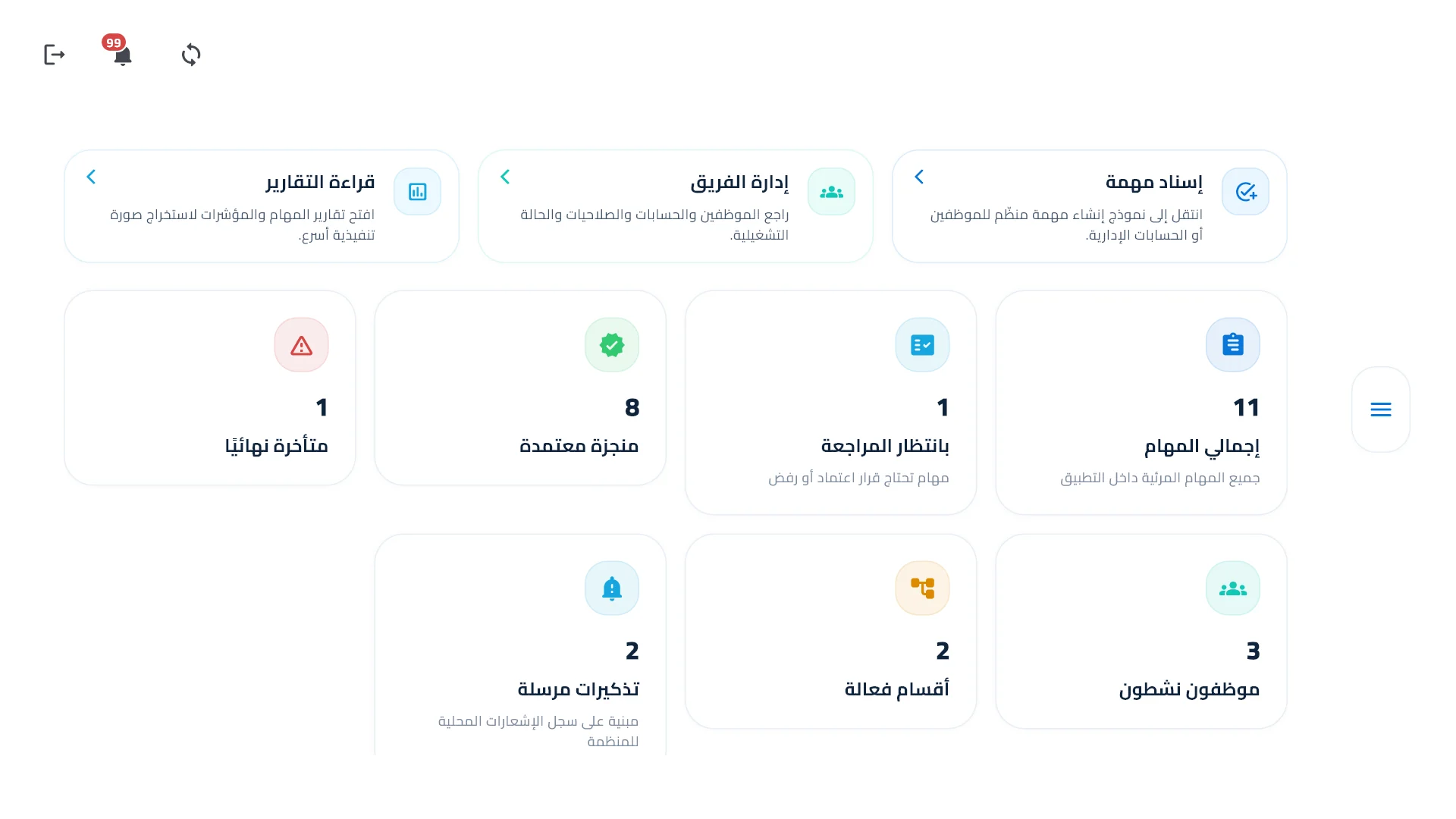
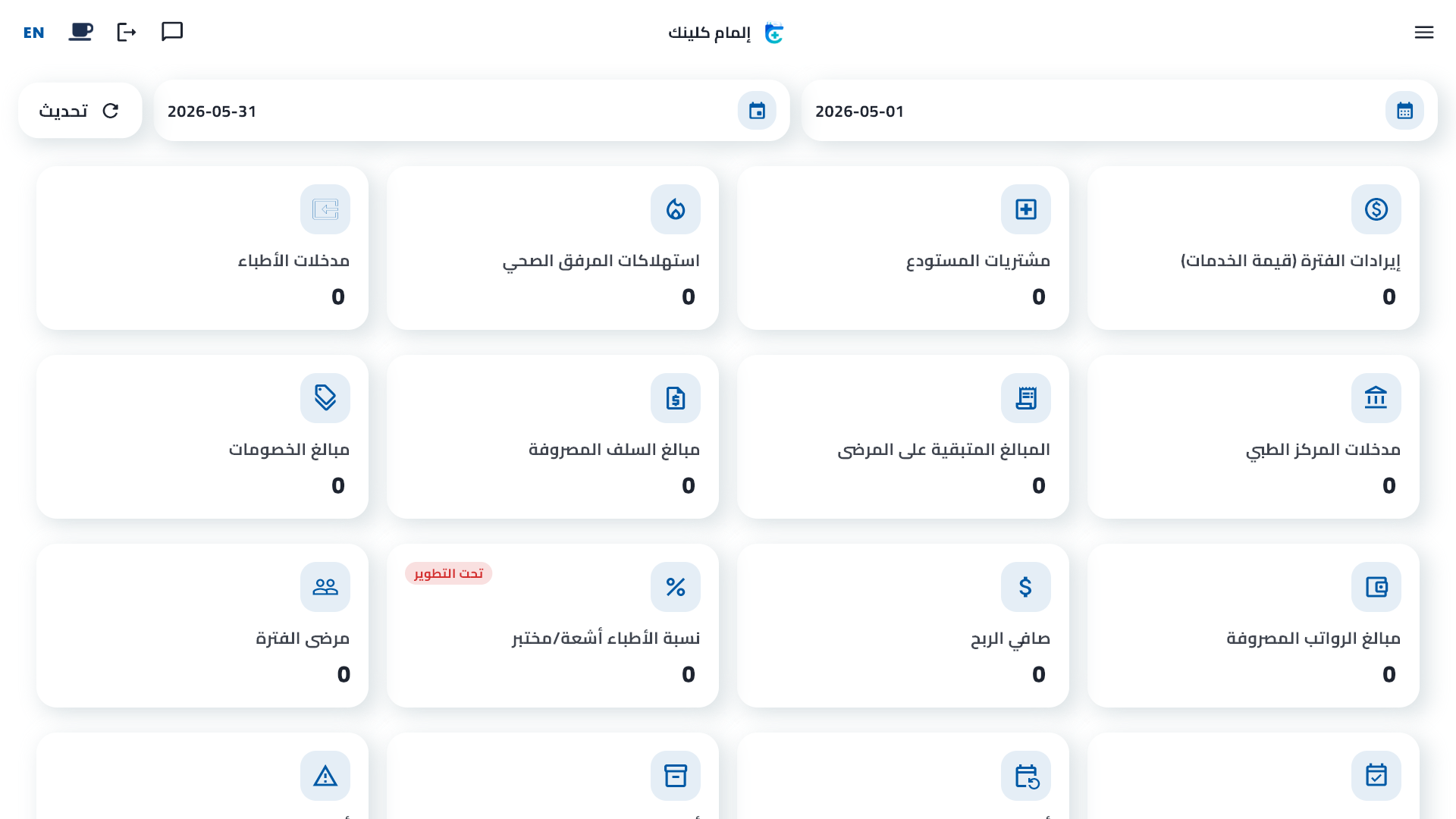
The missing piece is rarely another isolated app. It is a dependable operating path connecting responsibility, status, data, and decisions.
Spreadsheets, messages, and documents make the right record harder to find and easier to duplicate.
There is no shared state showing what is complete, what awaits review, and who owns the next step.
Management spends time gathering information before it can understand the operation.
Each example connects a real operating problem to scope, platforms, and visible product interfaces.
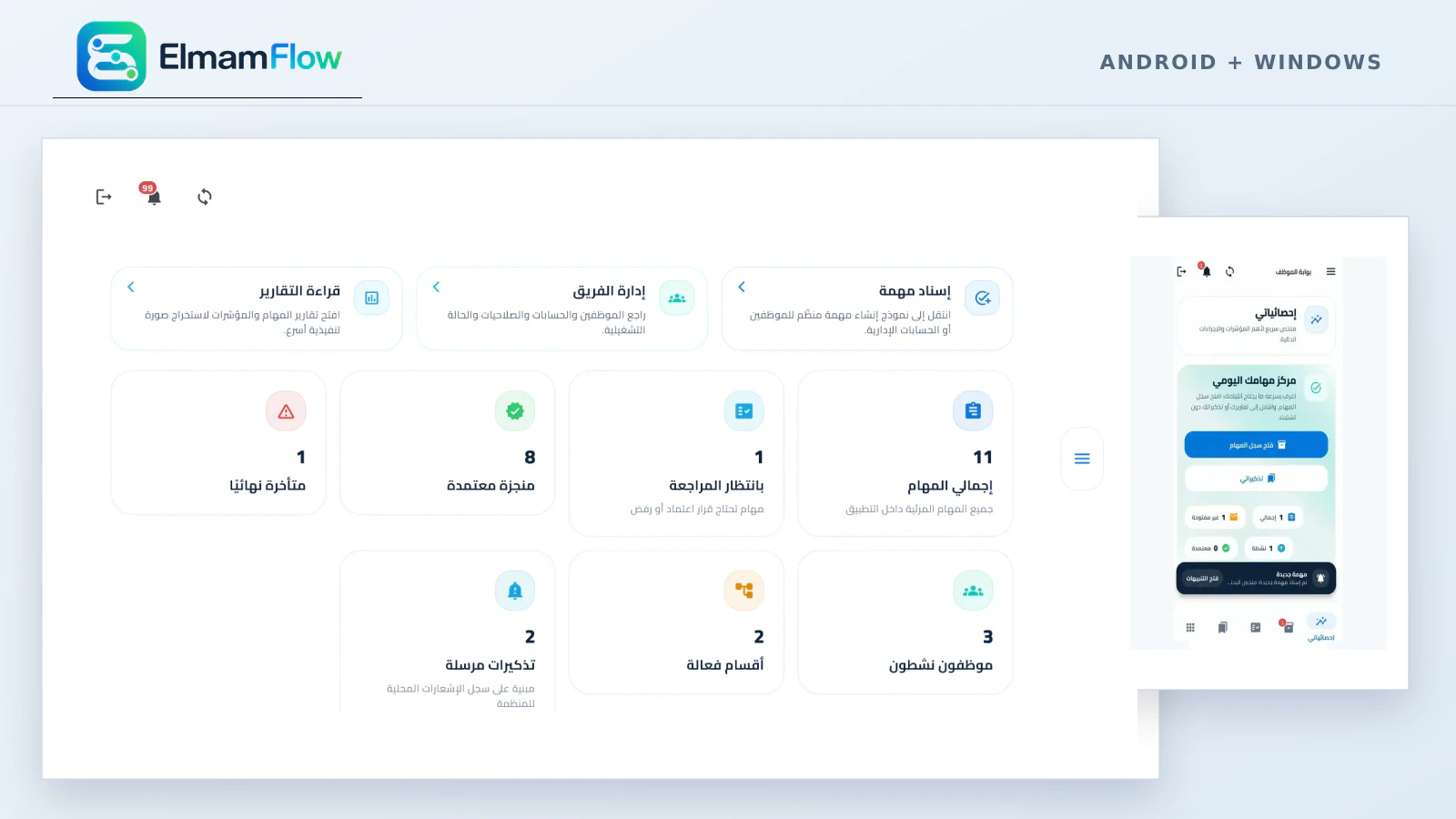
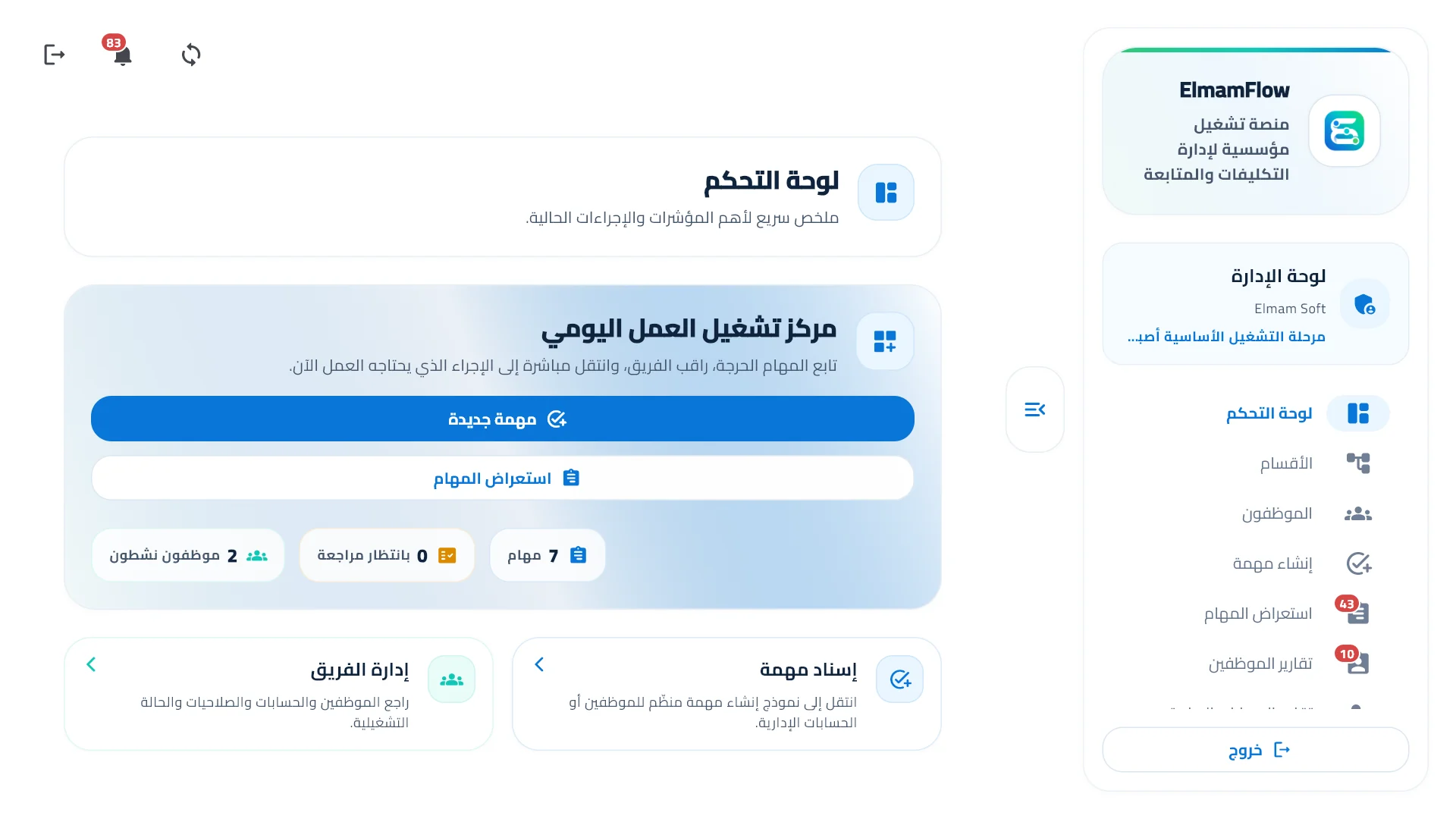
An operating workspace connecting staff, assignments, routine reporting, approvals, and management indicators.
An operating center for patients, appointments, doctors, finance, inventory, staff, permissions, and reporting.
For an organization moving a manual or fragmented process into one controlled product.
Discuss custom softwareReview architecture, data, performance, user experience, migration, and rollback before changing production.
Discuss modernizationWhen an ElmamSoft product or industry system is close to the need but the workflow requires considered adaptation.
Explore productsBusiness context stays clear; engineering detail appears where it helps the decision.
Workflows, data, permissions, and reporting shaped around the organization instead of a generic template.
Explore the serviceAndroid, Windows, and web chosen around users and context rather than a preset stack.
Explore delivery pathsMulti-device operation, local continuity, and safe synchronization when the environment genuinely needs them.
Understand synchronizationAudit, repair, interface improvement, data migration, release control, and a defined rollback path.
When management needs one view of staff, assignments, routine reports, and approvals, Elmam Flow brings those paths into a shared operating model.
Implemented administrative and operating systems for different sectors, each adaptable around the organization’s workflows, permissions and reporting needs.
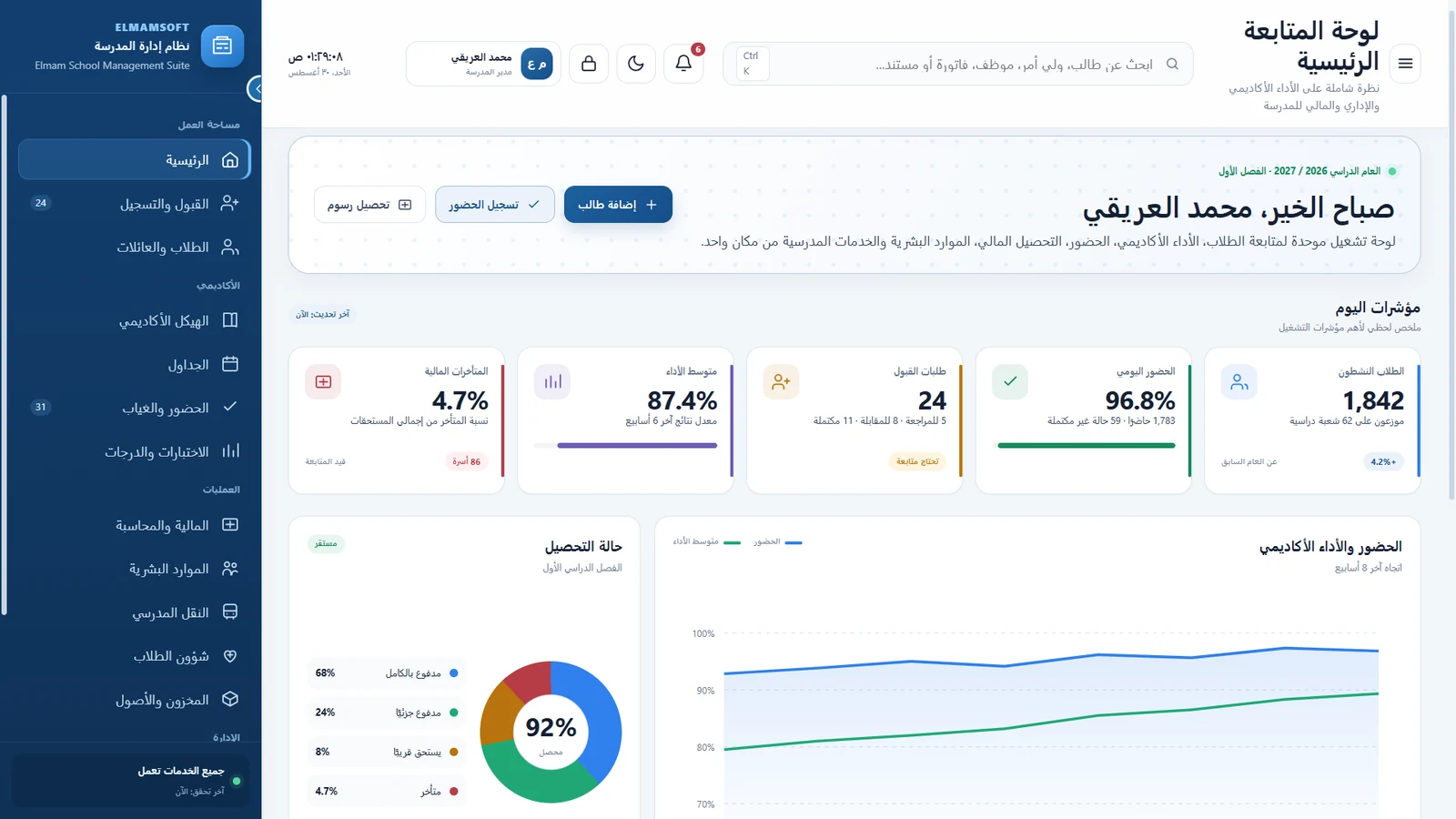
A connected operating system for admissions, students and families, academic structure, timetables, attendance, exams, grades, finance, HR, transport, student affairs, inventory and reporting.
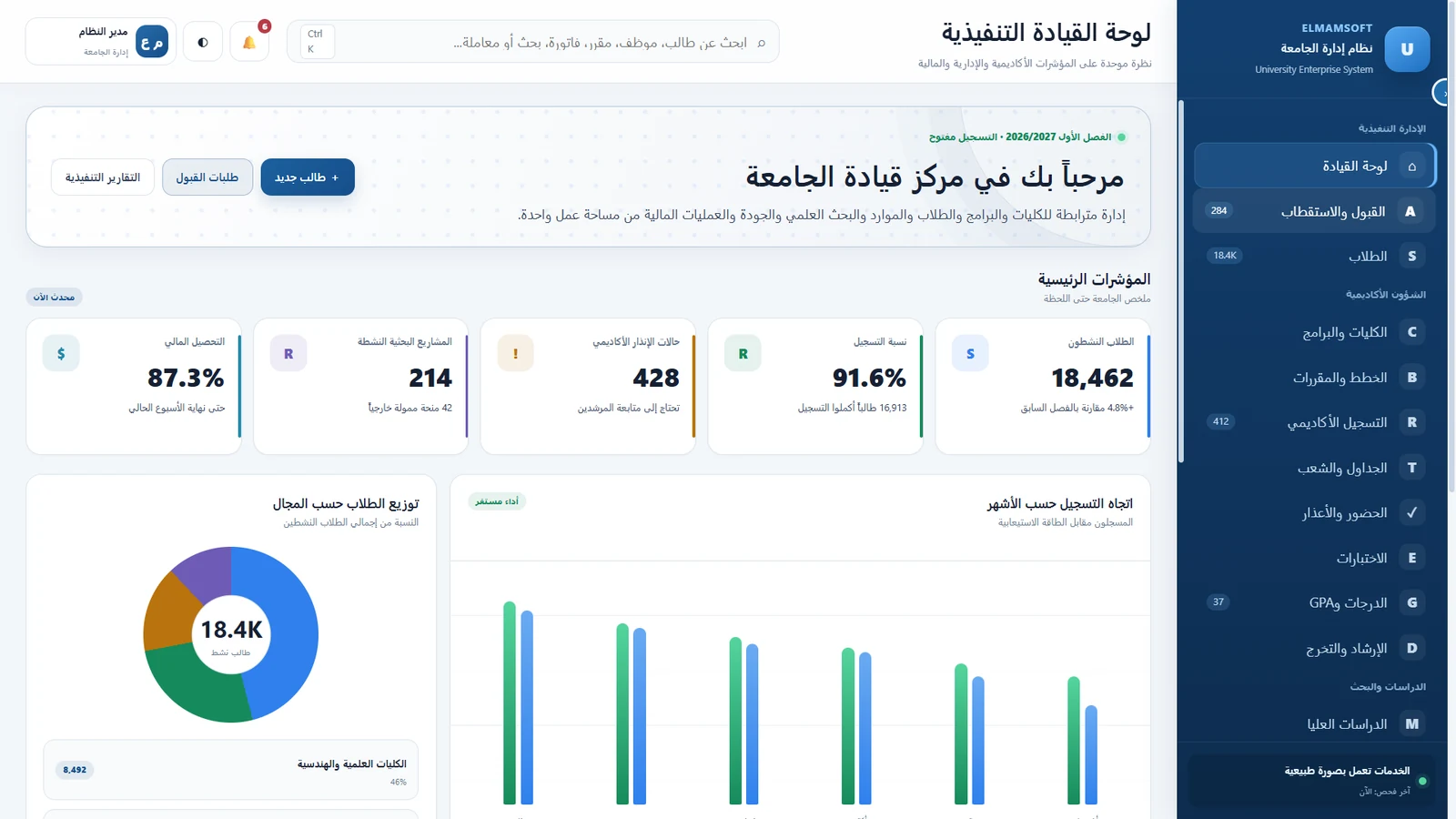
An operating center for admissions, students, colleges, programs, curricula, academic registration, schedules, attendance, exams, grades, advising, graduation, postgraduate studies, research, finance, HR and reporting.
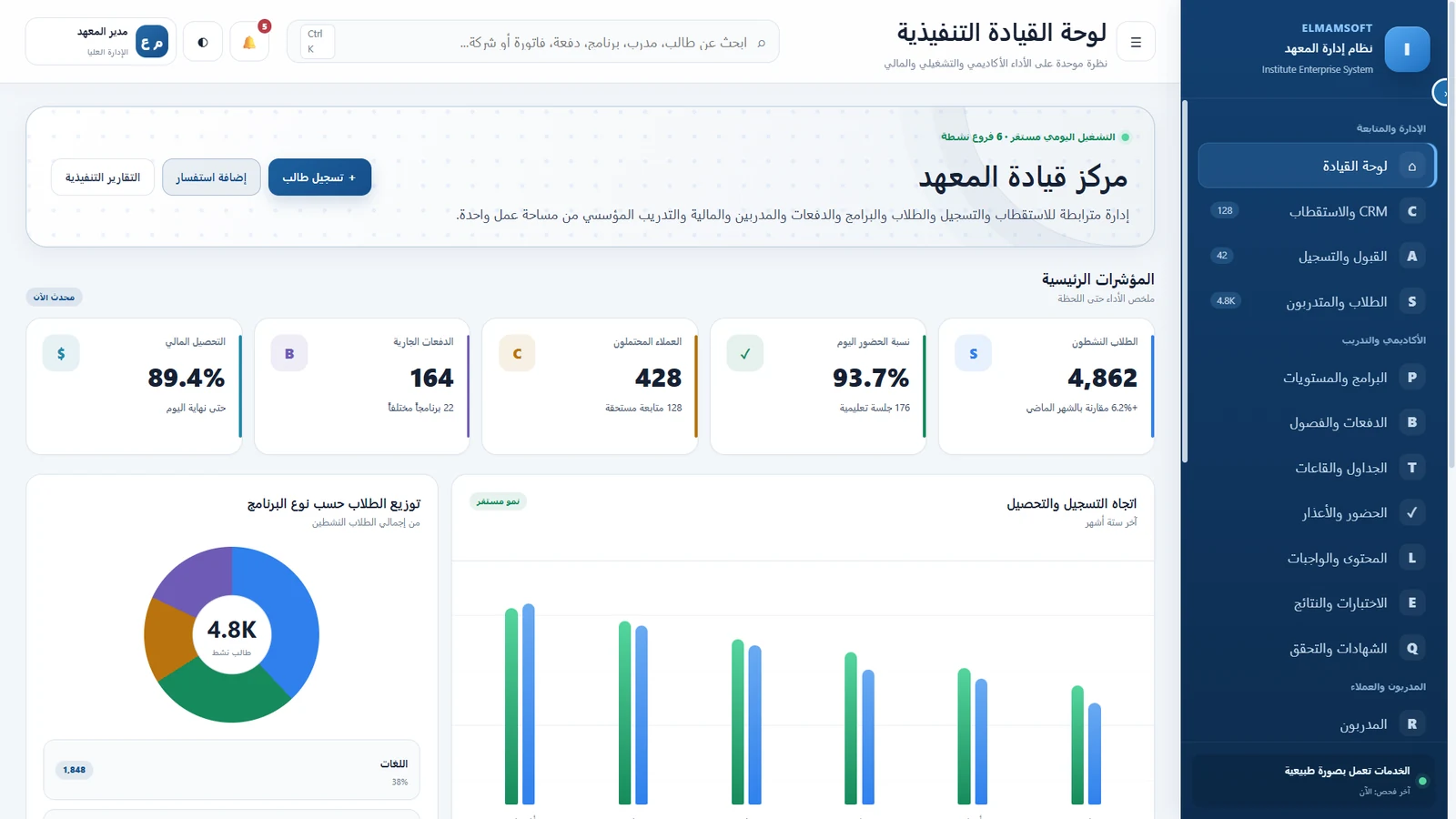
A system connecting lead management, admissions, trainees, programs, levels, cohorts, timetables, attendance, learning content, exams, results, certificates, trainers, corporate training, finance and reporting.
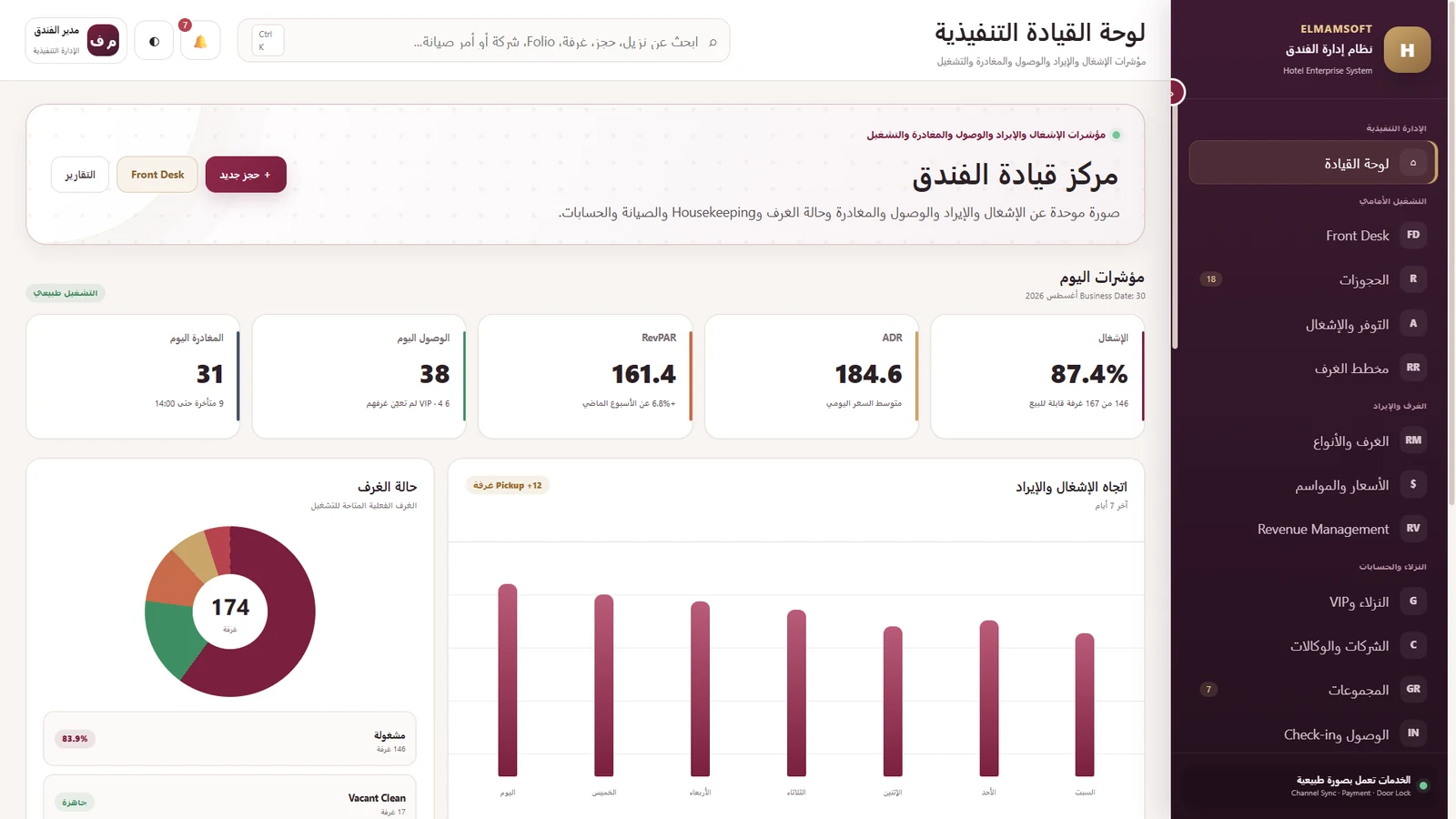
A unified operating workspace for front desk, reservations, availability, rooms, rates, occupancy, revenue, guests, check-in/out, folios, housekeeping, maintenance, inventory, finance and reporting.
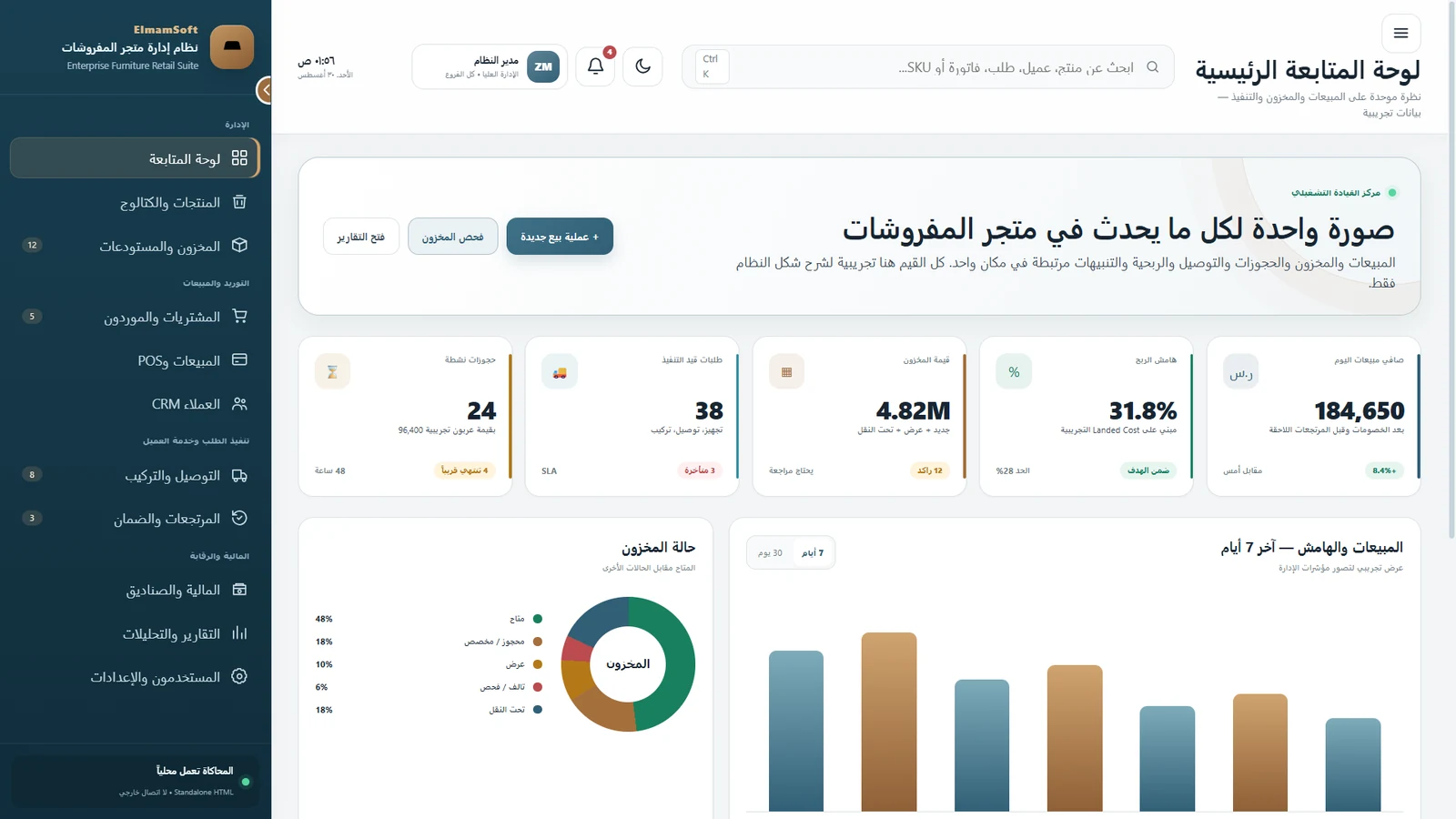
A connected system for product catalog, warehouses, purchasing, suppliers, POS, customers, delivery, installation, returns, warranty, finance and reporting.
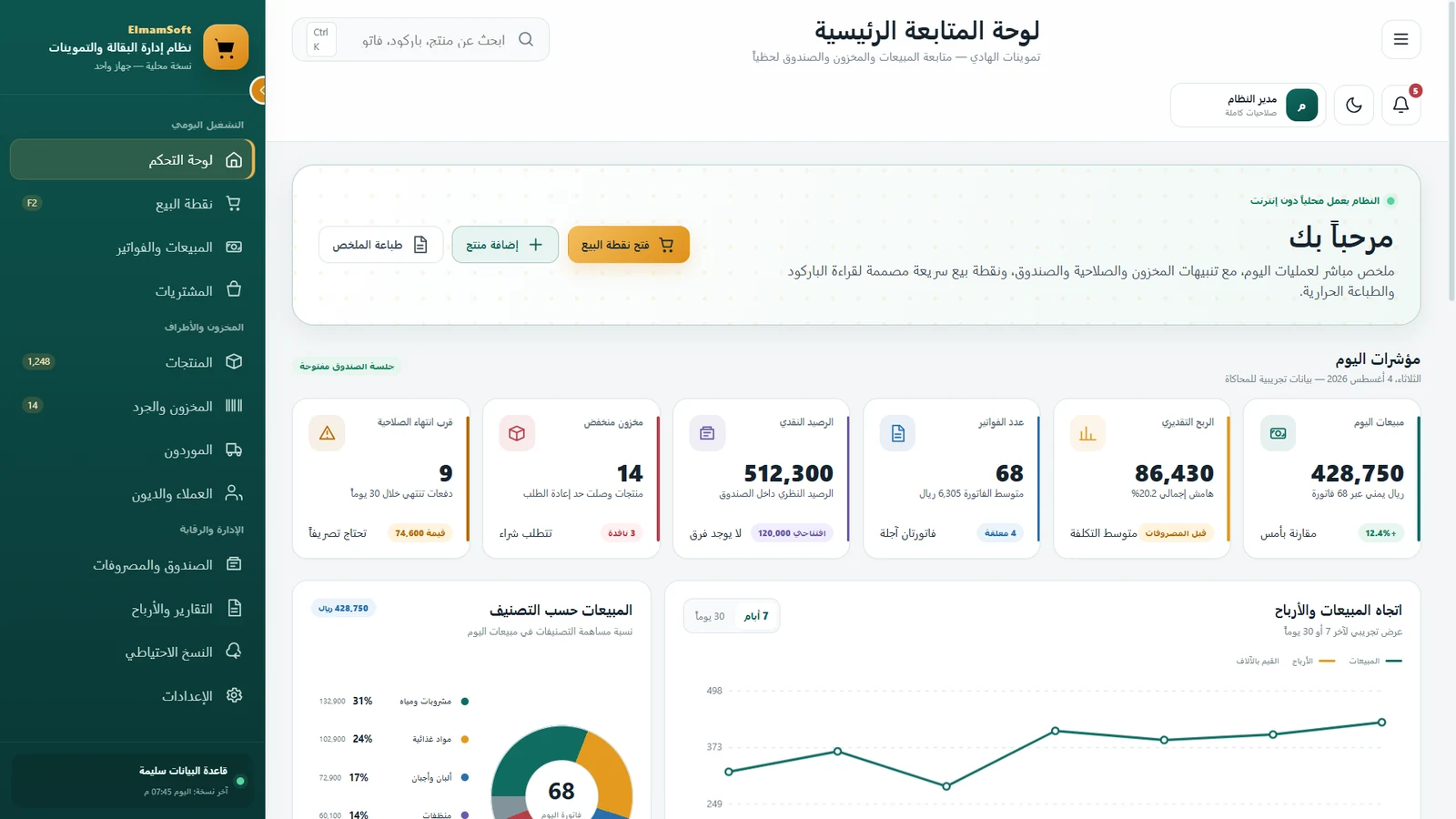
A retail operating system for POS, invoices, products, stock counts, purchasing, suppliers, customers, receivables, cash, expenses, reporting and backup.
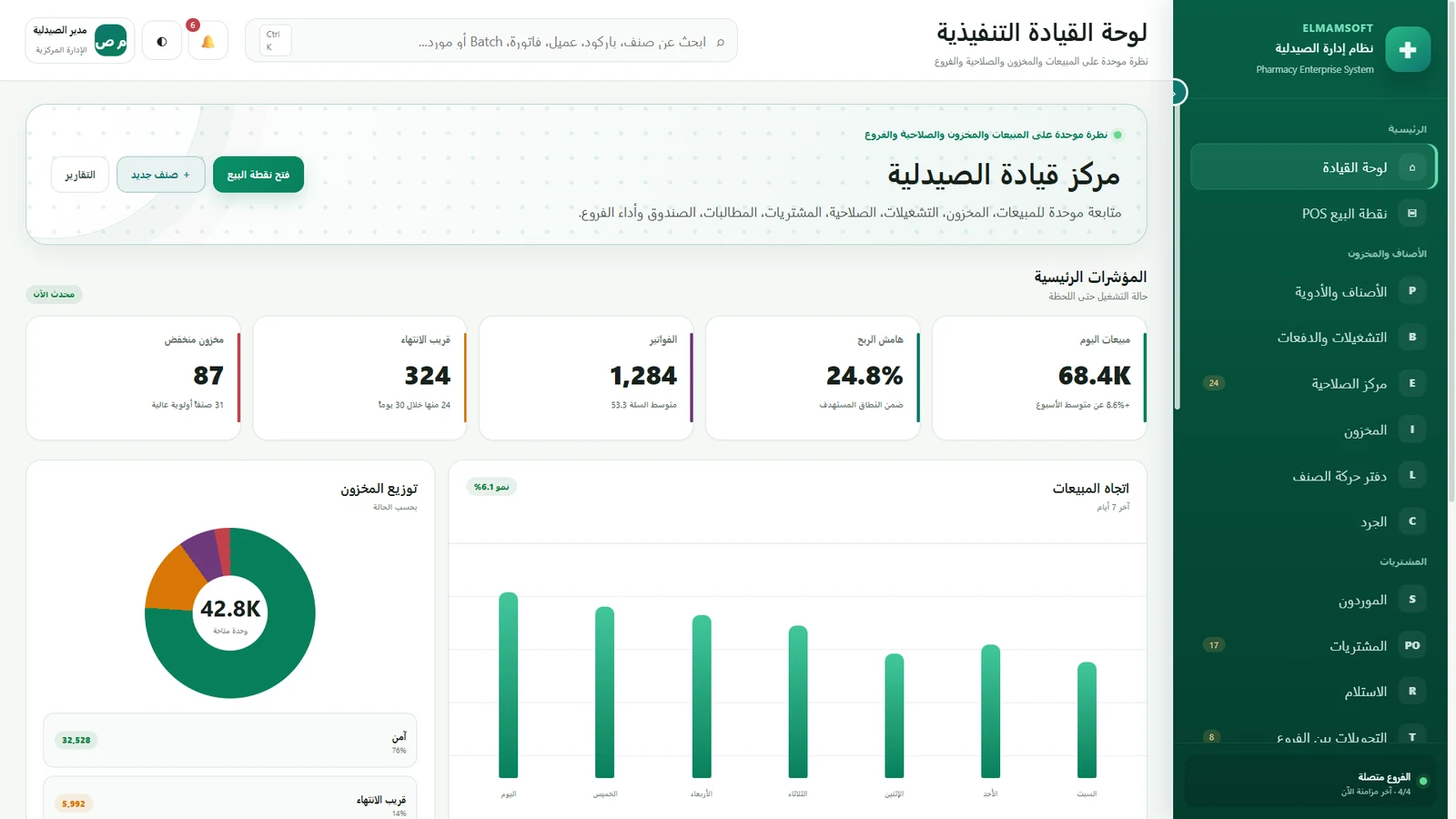
An implemented, customizable pharmacy system connecting POS, medicines, batches, expiry, inventory, stock movement, suppliers, purchasing, branch transfers, returns, customers, finance and reporting.
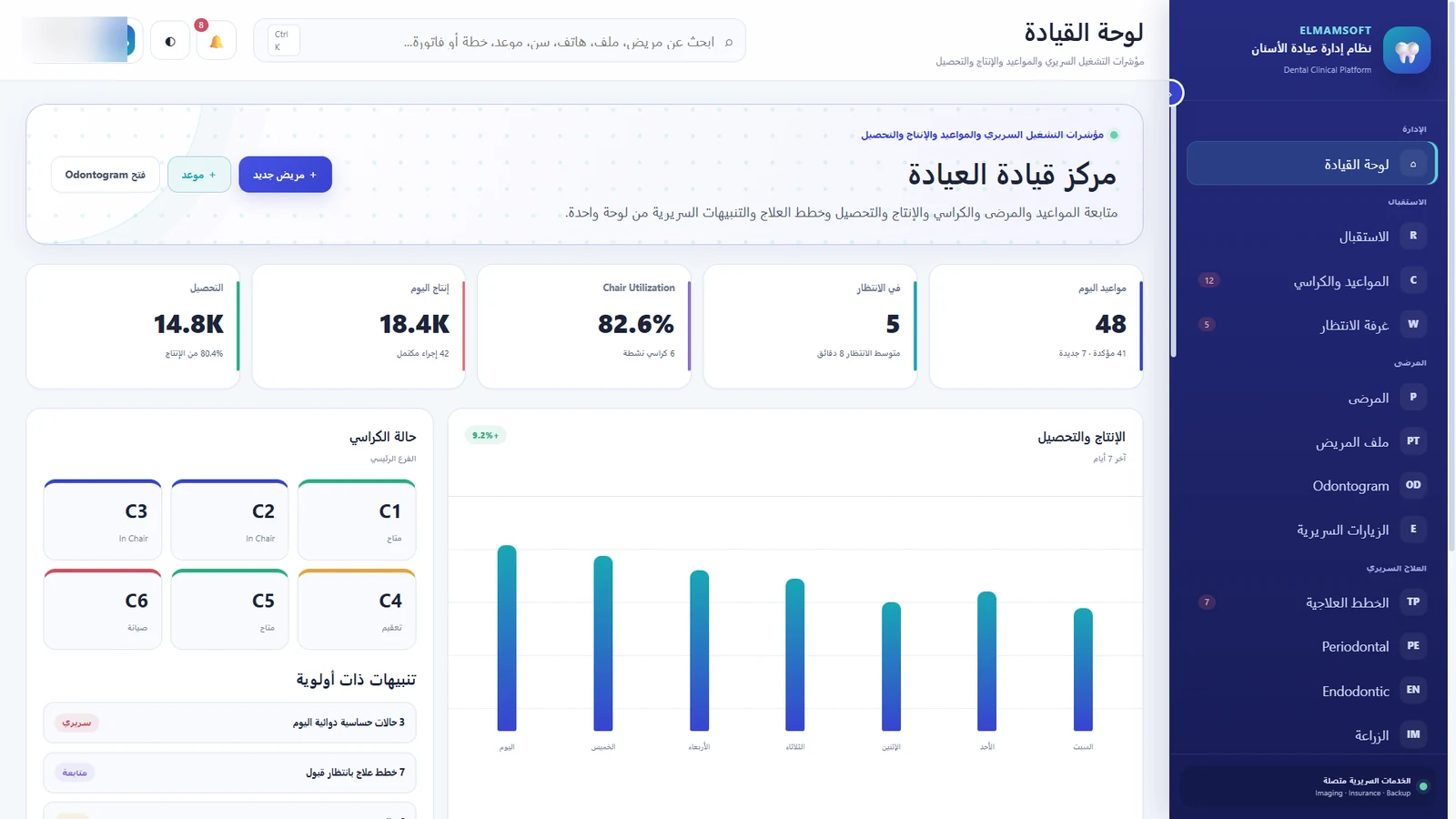
A specialized dental-practice system connecting reception, appointments and chairs, odontogram, treatment plans, imaging, billing, insurance, inventory, sterilization, finance and reporting.
Users, procedures, data, and sources of friction.
Priorities, boundaries, and acceptance conditions.
Data model, permissions, interfaces, and integration.
Primary flows, failure cases, accessibility, and performance.
Handover, training, updates, and rollback planning.
Design decisions connect interface behavior with data, authorization, synchronization, reporting, and safe releases so the operating model remains dependable.
Explore the trust centerHiding a button is not an access-control boundary.
Offline-first or hybrid operation is used only when the workflow justifies it.
Existing data is protected, transformed, verified, and given a rollback route.
Indicators come from operating records instead of being rebuilt manually.
Continuity, synchronization, conflicts, and the tests that separate local storage from a dependable architecture.
Read the guideA decision shaped by users, connectivity, backup, operations, and data ownership.
Read the comparisonBalance the breadth of a packaged platform against software focused on your operating model.
Read the comparisonDescribe the current process, users, core data, problem, and desired outcome. The technology decision comes after that context is clear.
Yes, where the operating context calls for them. Every project does not need every platform.
Offline-first or hybrid operation can be considered when the work justifies the additional synchronization and testing complexity.
Scope, platforms, roles, data, reporting, synchronization, integrations, and support all affect the estimate.
Send a short description. We start by understanding the operation and defining scope before discussing technology or cost.